Dnipro's municipal services ensure round-the-clock waste collection despite wartime challenges
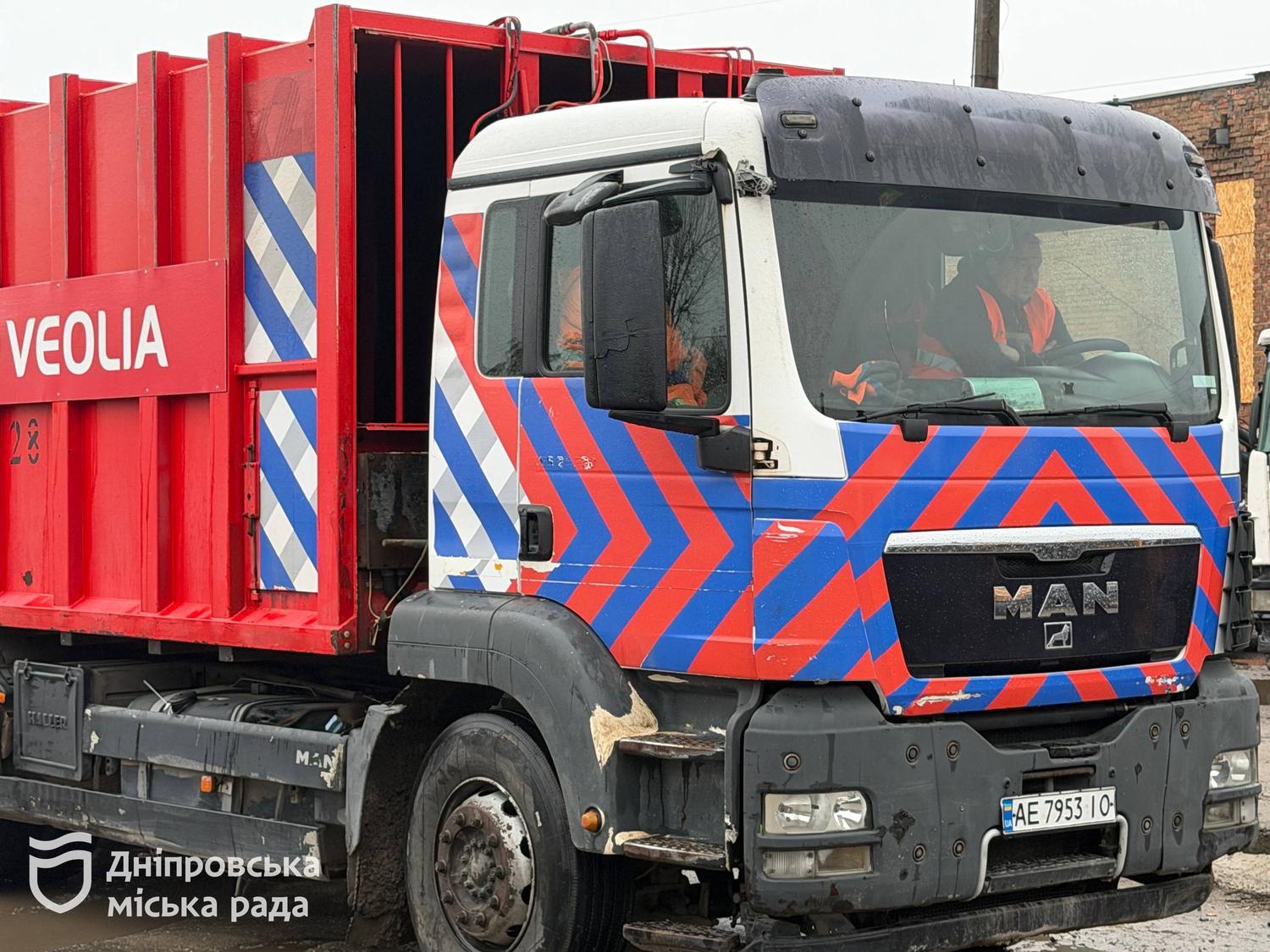
In Dnipro, household waste is removed 24/7 across dozens of routes, with about 70 specialized vehicles deployed daily.
 🏙️City
Photo: AutoGN city · Місто новини
Key points
- Round-the-clock waste collection in Dnipro across dozens of routes
- Schedules divided by district and traffic intensity
- Main challenges: staff shortages, rising spare parts costs, and war consequences
- Daily deployment of about 70 specialized vehicles
The issue of efficient municipal waste management remains a critical element for maintaining urban life under current conditions. In Dnipro, the cleaning of streets and residential areas from garbage is organized on a continuous basis, without breaks for weekends or holidays. Every day, about 70 units of specialized equipment take to the city's routes to handle regular and bulky waste collection.
Logistics features and collection schedules
The specifics of urban development require a flexible approach to scheduling specialized transport. According to industry experts, waste removal logistics are adapted to the characteristics of different districts. In particular, garbage trucks mostly operate during daylight hours in residential neighborhoods, while in the city center, the main workload shifts to the evening and nighttime. This is due to dense traffic and numerous parked cars that significantly impede the passage of large vehicles to container sites during the day.
In addition to daily household waste collection, municipal enterprises establish separate routes for bulky items. The volume of such waste has increased significantly due to a rise in the population and internally displaced persons who found shelter in the city. Consequently, certain locations experience waste accumulation exceeding standard rates, requiring increased operational efficiency from workers.
Technical support and staffing challenges
The uninterrupted operation of municipal services depends not only on drivers but also on the coordinated work of the repair crew. Before each shift, vehicles undergo mandatory technical inspections, and drivers pass medical check-ups. However, the sector faces serious difficulties, including staff shortages, rising fuel and spare parts prices, and supply issues caused by the war. Despite these challenges, repair teams work around the clock, aiming to perform preventive maintenance to prevent emergency breakdowns on routes.
Read next
 🚨Events
Two individuals to stand trial in Odesa for a series of luxury car arsons
Two young people will face trial for orchestrating the arson of six vehicles in Odesa. The perpetrators acted on orders received via instant messengers, but never receive…
 🛡️Security
Ukraine and Norway to Scale Up Production of DESNA Air Defense Systems
The defense ministries of Ukraine and Norway have agreed to expand the production of DESNA air defense launchers, which have proven effective against drones.
 🚨Events
Court upholds detention for suspect in Petropavlivska Borshchahivka incident
The Kyiv Court of Appeal rejected the appeal of Valentyna Moloda, who is suspected of obstructing the activities of the Armed Forces of Ukraine.
 🚨Events
Seven Years in Prison: Court Sentences Driver Responsible for Fatal Crash in Khmelnytskyi Region
The Shepetivka City District Court has sentenced a driver whose fault caused a major traffic accident resulting in two deaths and five injuries on the Shepetivka — Polonn…
 💼Economy
Delay in protective duties on Turkish pipes threatens Ukraine's metallurgical industry
Due to delays in imposing anti-dumping duties on imports from Turkey, domestic welded pipe manufacturers are losing their home market. The situation poses significant ris…
 🛡️Security
Norway in dialogue with Ukraine over Baltic region stability after vessel incidents
Norwegian Defense Minister Tore O. Sandvik announced consultations with Ukrainian authorities regarding security and stability in the Baltic Sea.