Incident in Polish Airspace: Why a Swedish Pilot Refrained from Downing a Russian Missile
A Swedish Gripen pilot intercepted a Russian X-101 missile over Poland but chose not to fire due to identification difficulties caused by poor weather.
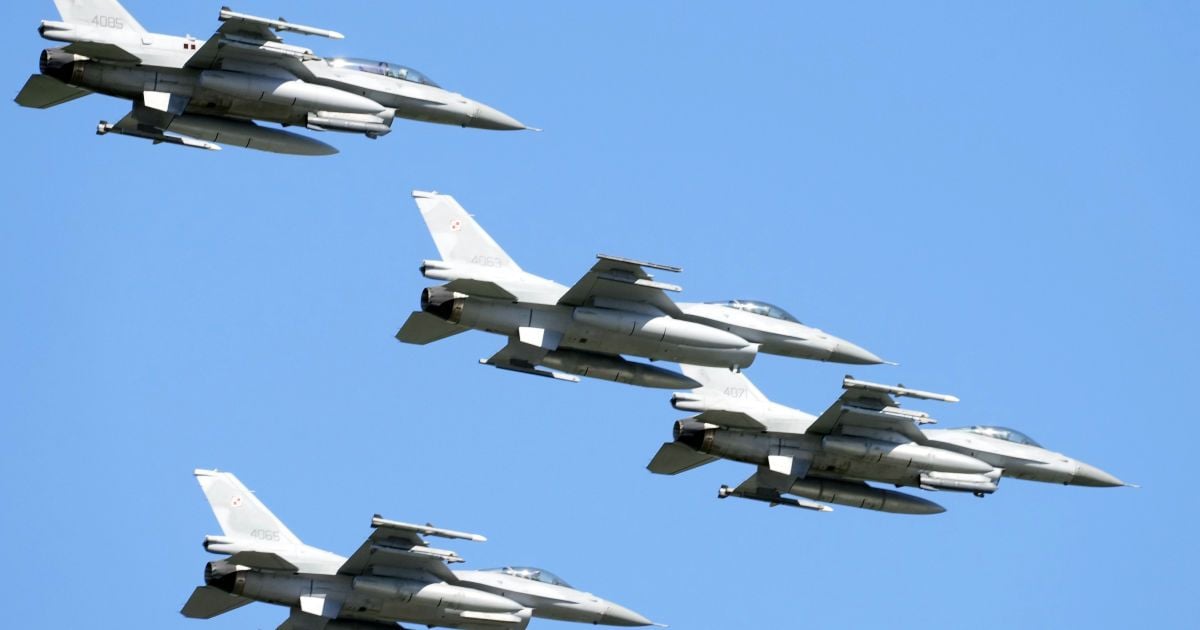 🚨Events
Photo: TSN
Key points
- Swedish pilot had permission to fire but refrained due to lack of visual ID.
- Three Russian aerial objects violated Polish airspace at high speeds.
- NATO and Polish forces coordinated a large-scale aerial response.
During a recent large-scale attack on western Ukraine, Russian aerial targets violated Polish airspace, prompting NATO to scramble fighter jets and declare a high-level threat in border regions. The incident has drawn significant attention because the intercepting pilot had authorization to engage but ultimately withheld fire.
Technical Challenges and Identification Protocols
A Swedish Gripen pilot, operating under NATO coordination, successfully intercepted a Russian X-101 cruise missile. Although the NATO Combined Air Operations Centre in Uedem, Germany, had granted permission to destroy the target, the pilot decided against using weapons. Lieutenant General Ireneusz Nowak, Operational Commander of the Polish Armed Forces, explained that extremely difficult weather conditions prevented proper identification.
According to the General, all safety protocols must be met before deploying weaponry. In this instance, neither visual contact nor onboard optoelectronic systems could provide 100% certainty regarding the nature of the object. "No weapons were used tonight because not all conditions for the use of the weapons system were met," Nowak emphasized.
Scale of the Incident and Official Response
- A total of 11 potentially dangerous objects were tracked by Polish military.
- Three targets, including X-101 missiles and jet-powered drones, crossed into Polish territory.
- The objects were traveling at speeds exceeding 800 km/h.
The air defense operation involved Polish F-16s, Swedish Gripens, a Saab 340 AEW&C aircraft, and a Dutch refueling tanker. Despite reports of explosions and recovered debris in several settlements, no casualties were reported. Polish Prime Minister Donald Tusk labeled the incursion a "deliberate provocation," while NATO Secretary General Mark Rutte described the situation as a serious violation of sovereign airspace.
Source TSN — tsn.ua/politika/rosiyski-rakety-nad-polshcheiu-pilot-vynyshchuvacha-mav… ↗
Read next
 🛡️Security
Ukraine and Norway to Scale Up Production of DESNA Air Defense Systems
The defense ministries of Ukraine and Norway have agreed to expand the production of DESNA air defense launchers, which have proven effective against drones.
 💼Economy
Delay in protective duties on Turkish pipes threatens Ukraine's metallurgical industry
Due to delays in imposing anti-dumping duties on imports from Turkey, domestic welded pipe manufacturers are losing their home market. The situation poses significant ris…
 🛡️Security
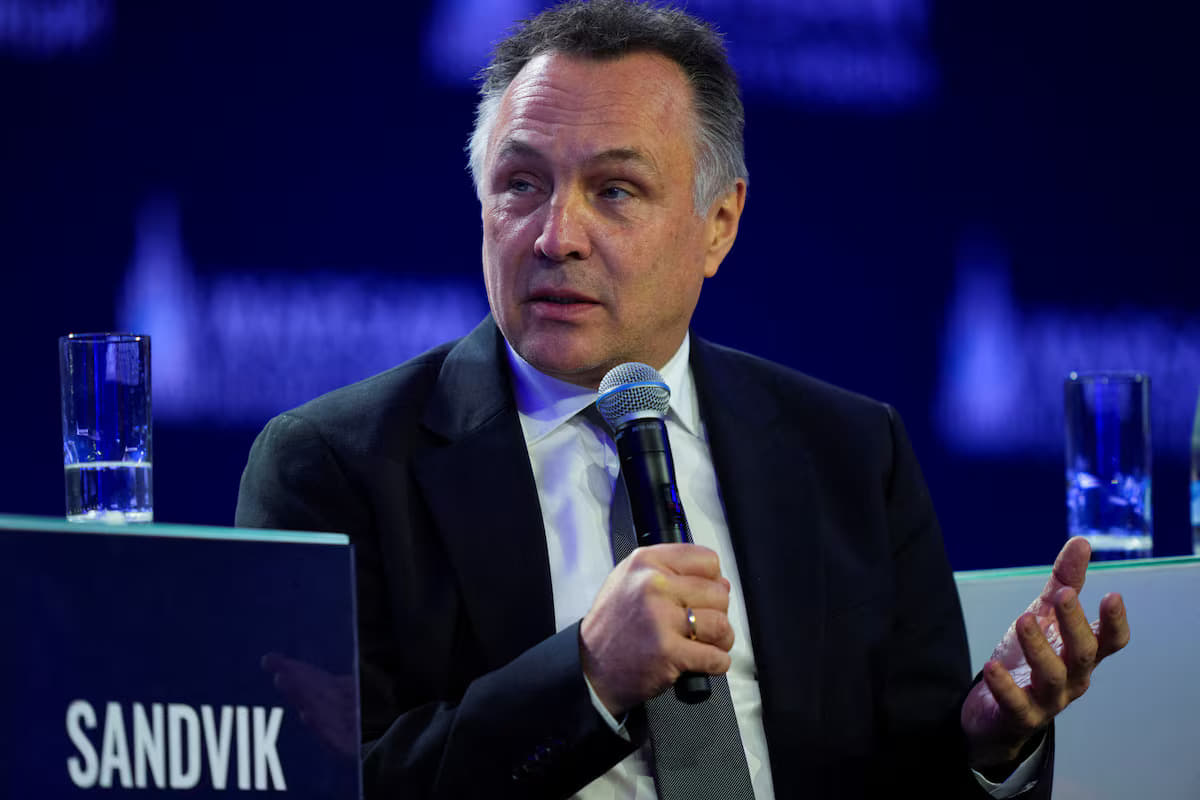
Norway in dialogue with Ukraine over Baltic region stability after vessel incidents
Norwegian Defense Minister Tore O. Sandvik announced consultations with Ukrainian authorities regarding security and stability in the Baltic Sea.
 🇺🇦Ukraine
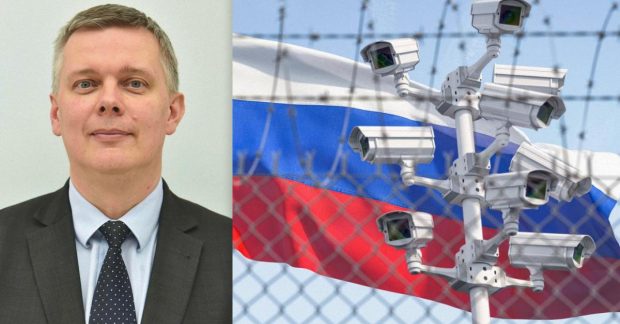
Even the end of the war in Ukraine will not stop Russian sabotage in Europe, says Polish minister
Polish special services coordinator Tomasz Siemoniak stated that the Kremlin's subversive campaign in Europe will not end with a peace agreement, as Moscow aims to intimi…
 🛡️Security
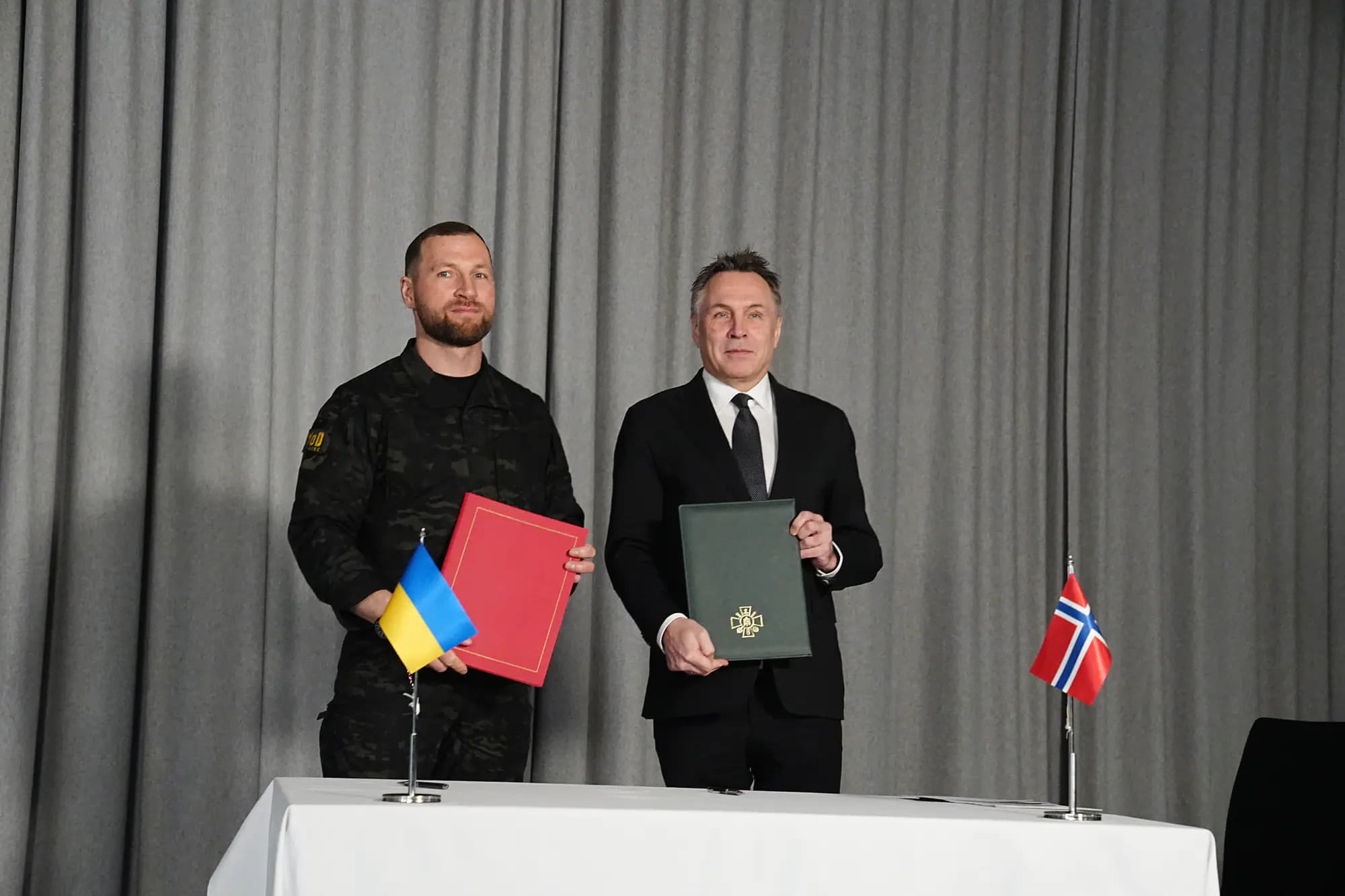
Norway to test Ukrainian battlefield management system DELTA
The defense ministries of Ukraine and Norway have signed a memorandum of intent to test the Ukrainian digital ecosystem DELTA.
 🛡️Security
Massive Ten-Day Power Outages Announced in Temporarily Occupied Crimea
Citing recent infrastructure strikes and growing logistics issues, occupation authorities in Crimea are introducing scheduled power outages lasting up to six hours daily.