Microplastics Found to Be Chemically Active: New Insights into Cellular Impact
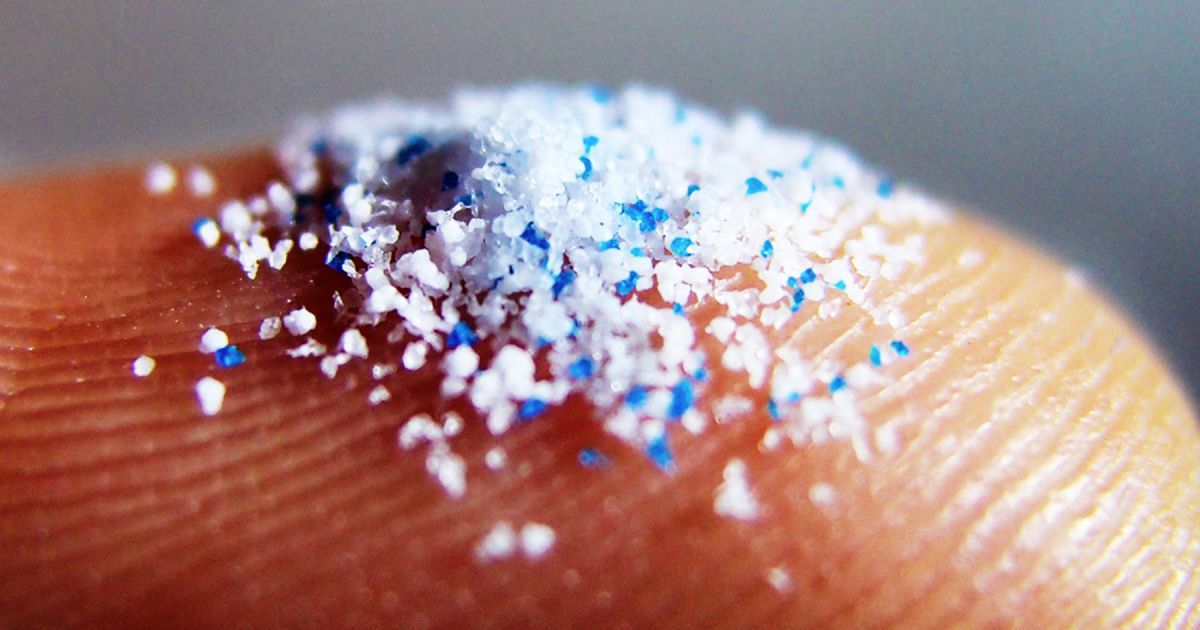
Scientists have discovered that microplastics in water can trigger chemical reactions capable of damaging biological structures.
 💡Tech
Photo: TSN
Key points
- Microplastics form reactive oxygen species upon contact with water
- Chemical activity of plastic can damage proteins and DNA
- Polyethylene and polypropylene were found to be the most active
- Heating plastic in daily life accelerates the release of harmful particles
An international research team from Columbia University and the University of California, Berkeley, has discovered that microplastics are not merely passive pollutants. It turns out that upon contact with ordinary water, reactive oxygen species form on the surface of plastic particles, capable of engaging in aggressive chemical reactions.
Mechanism of Impact on Organisms
During the experiments, researchers tested six types of plastic, including polyethylene and polypropylene. It was established that due to the material's hydrophobic properties, conditions for the formation of hydroxyl radicals arise at the interface of the two media. These compounds can damage proteins and DNA fragments.
Laboratory tests on mouse erythrocytes showed that interaction with microplastics leads to the deformation and destruction of cell membranes. Polyethylene and polypropylene particles were found to be the most active, while PET and acrylic demonstrated lower chemical aggressiveness.
It is important to remember that common sources of microplastics in daily life include heating plastic containers in microwaves or prolonged exposure of water bottles to direct sunlight. Even paper cups with plastic linings can contribute to the ingestion of tiny particles in beverages.
Source TSN — tsn.ua/zdorovya/mikroplastyk-vyiavyvsia-nebezpechnishym-niz-vvazaly-shc… ↗
Read next
 🚨Events
Two individuals to stand trial in Odesa for a series of luxury car arsons
Two young people will face trial for orchestrating the arson of six vehicles in Odesa. The perpetrators acted on orders received via instant messengers, but never receive…
 🛡️Security
Ukraine and Norway to Scale Up Production of DESNA Air Defense Systems
The defense ministries of Ukraine and Norway have agreed to expand the production of DESNA air defense launchers, which have proven effective against drones.
 🚨Events
Court upholds detention for suspect in Petropavlivska Borshchahivka incident
The Kyiv Court of Appeal rejected the appeal of Valentyna Moloda, who is suspected of obstructing the activities of the Armed Forces of Ukraine.
 🚨Events
Seven Years in Prison: Court Sentences Driver Responsible for Fatal Crash in Khmelnytskyi Region
The Shepetivka City District Court has sentenced a driver whose fault caused a major traffic accident resulting in two deaths and five injuries on the Shepetivka — Polonn…
 💼Economy
Delay in protective duties on Turkish pipes threatens Ukraine's metallurgical industry
Due to delays in imposing anti-dumping duties on imports from Turkey, domestic welded pipe manufacturers are losing their home market. The situation poses significant ris…
 🛡️Security
Norway in dialogue with Ukraine over Baltic region stability after vessel incidents
Norwegian Defense Minister Tore O. Sandvik announced consultations with Ukrainian authorities regarding security and stability in the Baltic Sea.